Understanding Jueteng and Its Influence in the Philippines
In the intricate tapestry of the Philippines' socio-cultural and political scene, jueteng has woven itself as a significant and contentious component. This illicit numbers game has persisted through decades, flourishing amidst economic hardships and governmental efforts to eradicate it. As one delves deeper into the operating model of jueteng and its societal implications, it becomes evident why it holds such sway over various regions in the archipelago.
The Mechanics of Jueteng
Jueteng operates on a seemingly simplistic principle that deeply resonates with its patrons. At its core, jueteng is a numbers game where bettors choose a combination of numbers ranging from 1 to 37. Wagers are typically small, yet the allure of winning is magnified by the considerable payouts offered to accurate predictions. This gambling activity is decentralized, managed by operators usually connected to local networks, who thrive utilizing a mixture of local knowledge and covert operational methods.
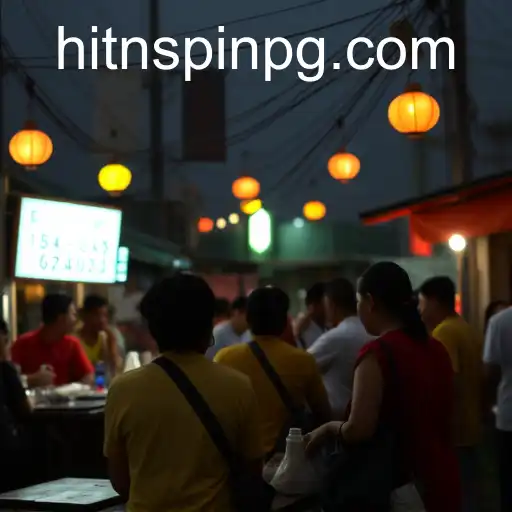
The simplicity of jueteng, along with the low stakes required to participate, makes it accessible to a wide demographic. Even though the game is illegal, its roots run deep, and it is often seen as a community endeavor wherein bettors, operators, and local neighborhoods are intricately connected. The manner in which jueteng is embedded in the community often leads to its perception as a cultural mainstay rather than just a mere gambling enterprise.
Economic Impact
From an economic perspective, jueteng continues to play a dual role. On one hand, it provides employment opportunities in a country grappling with high unemployment rates. Thousands of bettors, collectors, and operators are reliant on jueteng for their daily subsistence. These individuals form the backbone of the jueteng operations, creating a micro-economy distinct from formal economic activities.
However, the pervasive nature of jueteng also translates into a significant loss of potential revenue for the government, which could otherwise be accrued through taxation if such gambling were legalized and regulated. The underground nature of jueteng means that substantial funds circulate within the black market, evading state coffers and ensuring that the economic benefits remain within certain circles.
Political Dimension
The political landscape of jueteng is equally complex, as it often intersects with issues of corruption and governance. Jueteng is said to involve local politicians, law enforcement agencies, and even national figures who either turn a blind eye or actively partake in the profits. The symbiotic relationship between jueteng operators and some political figures ensures protection and perpetuates the cycle of illegality and cultural entrenchment.
Political campaigns occasionally use jueteng as a talking point, promising its eradication only to later succumb to its enticements. The webs of influence and power that jueteng weaves make it challenging for any administration to dismantle without substantial political will and societal collaboration. The cultural acceptance of jueteng in some areas further complicates any law enforcement endeavors aimed at curbing its reach.
Challenges in Eradication
Efforts to eradicate jueteng have mingled with measures to legalize and regulate alternative gambling activities, such as the Philippine Charity Sweepstakes Office's Small Town Lottery (STL). However, these alternatives have not been able to replicate the deep-rooted appeal of jueteng fully. This stems from various factors, including community loyalty to local operators and the illicit thrill that underpins the essence of jueteng participation.
Moreover, the seamless integration of jueteng into daily life presents substantial obstacles for eradication. Many see jueteng not merely as a gambling enterprise but as a culturally directed activity with deep historical ties. Attempts to uproot it must, therefore, contend not only with economic and political implications but also with a cultural resistance toward change.
Comparative Insights with 16bet PG
In contemporary settings, technological advancements have ushered in new forms of gambling that coexist with traditional practices like jueteng. Online platforms such as 16bet PG provide an evolving landscape where traditional gambling mechanisms can meet modernity. These platforms offer regulated and legal avenues for bettors, presenting a potential model that can be explored to transition illegal gambling activities into the formal economy.
The evolution of 16bet PG, with its array of games and betting opportunities, reflects a shift in consumer preferences towards more transparent and streamlined betting experiences. However, the shift from traditional practices such as jueteng to more digitized formats remains gradual due to the historic and cultural ties that bind communities to age-old practices.
The Path Forward
The path forward for addressing the complexities of jueteng in the Philippines likely involves a multifaceted approach that combines regulation, community engagement, and cultural acknowledgment. Legalized options must not only be accessible but also culturally resonant and economically sensible to wean communities away from illegal practices.
Integrating aspects of successful online platforms like 16bet PG into local practices could provide a framework for modernization while respecting cultural nuances. The goal would be to ensure that all stakeholders from government bodies to local participants are part of the transformation, fostering an environment where both tradition and legality harmoniously coexist.